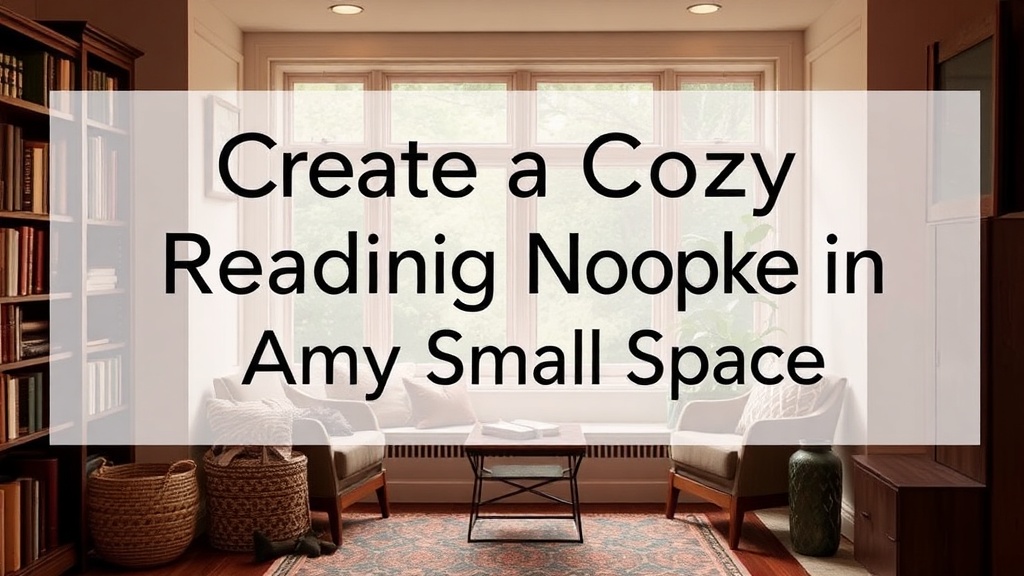
Create a Cozy Reading Nook in Any Small Space

Most people believe you need a dedicated library or a spare room to have a functional reading corner. That’s a mistake. A reading nook isn't about square footage; it's about intentionality and how you claim a small pocket of space within your current layout. This guide explores how to identify a corner, select the right furniture, and manage lighting to turn a neglected nook into a high-quality retreat.
Where is the Best Place to Put a Reading Nook?
The best location for a reading nook is any underutilized corner that receives natural light or sits near a high-traffic area's edge. You don't need a new room—you just need a corner that feels separate from your workspace or kitchen.
Look for "dead zones." These are the awkward gaps between a window and a wardrobe, or that strange corner behind your sofa. If you can sit there without blocking a walkway, you've found your spot. If you work from home, try to keep this area physically distant from your desk. It’s hard to get lost in a novel when your laptop is staring at you. If you've already mastered your workspace, you might want to optimize your desk placement to ensure your work and leisure zones stay mentally distinct.
Natural light is a huge plus, but don't obsess over it. A corner near a window is great for daytime reading, but a dark corner with a good lamp is often more cozy for evening sessions. Sometimes, being slightly tucked away from the center of the room provides the mental isolation you actually need to focus.
What Kind of Seating Works Best for Small Spaces?
| Seating Type | Pros | Cons |
|---|---|---|
| Armchair | Maximum comfort and support | Takes up significant floor space |
| Floor Pouf | Very small footprint; low cost | Lacks back support for long sessions |
| Bean Bag | Highly adaptable and cozy | Can look "messy" in a formal room |
| Window Bench | Built-in look; saves space | Requires custom or specific dimensions |
Choosing a chair is where most people trip up. They buy something beautiful that looks great in a showroom but is actually uncomfortable after twenty minutes of reading. If you're working with a tiny studio apartment, a bulky wingback chair will swallow your room. Instead, look for "apartment-sized" furniture. A sleek, mid-century modern chair with slim legs creates a sense of openness because you can see the floor underneath it.
If you're on a budget, don't overlook the floor. A high-quality floor cushion or a structured pouf from a brand like West Elm can serve as a perfect, low-profile seat. It keeps the sightlines of your room open, making the room feel larger than it actually is.
How Much Does It Cost to Build a Reading Nook?
You can build a functional reading nook for as little as $50 if you already own a chair and a lamp. Most setups fall into three budget tiers: the Minimalist ($50–$150), the Standard ($150–$400), and the Luxury ($500+).
The Minimalist Tier: This is for the person who wants to test the waters. You take a chair you already own, add a single throw blanket (maybe a heavy wool one from Pendleton), and a small side table. You're done. The goal here is texture and light, not expensive-looking furniture.
The Standard Tier: This is where you buy a specific piece of furniture for the job. You might grab a dedicated reading lamp and a small end table. This tier is about creating a cohesive look. You aren't just "sitting in a corner"; you're inhabiting a designed space.
The Luxury Tier: At this level, you're looking at specialized furniture like a chaise longue or a high-end reading lamp like those found at Artemide. You're also investing in high-quality textiles—heavy linen curtains, velvet pillows, and perhaps a small bookshelf. It’s a total room-within-a-room approach.
It’s worth noting that you don't need to spend a fortune to make a space feel intentional. Often, the most "expensive" feeling part of a room is actually the lighting. A cheap lamp with a warm-toned bulb looks much better than an expensive lamp with a harsh, blue-light bulb.
How Do You Set Up Lighting for Reading?
Lighting for a reading nook should be layered, combining a direct light source for the book with ambient light for the surrounding area. You want to avoid eye strain by ensuring the light is bright enough to read but soft enough to relax.
There are two main ways to handle this:
- Task Lighting: This is your primary light source. A dedicated floor lamp with a flexible neck (like a Target Verano or a high-end Anglepoise) allows you to direct light exactly where your eyes need it.
- Ambient Lighting: This is the "vibe" light. Think string lights, a small salt lamp, or a dimmable table lamp. This prevents the corner from feeling like a dark hole when you aren't actively reading.
Avoid overhead lighting at all costs. If the only light in your nook comes from the ceiling, you'll likely experience headaches or eye fatigue. You want a way to control the intensity. If your lamp doesn't have a dimmer, consider getting a smart bulb that you can control via your phone. It's a simple way to shift the mood from "focused reading" to "winding down for bed."
A common mistake is relying solely on a single, bright light. This creates high contrast and shadows that can actually make reading harder. Aim for a soft, diffused glow. If you use a floor lamp, ensure the shade is large enough to mask the bulb itself—you don't want to be staring directly at a light source while trying to enjoy a story.
If you find that your environment is still too chaotic to relax, you might need to look at your broader habits. A dedicated space is great, but a structured routine helps even more. Check out our post on building a low-stress routine to see how structure can support your new lifestyle changes.
Texture is your best friend here. A single, well-placed textile can change the entire feel of a corner. Don't just throw a blanket over a chair. Layer it. A linen cushion, a heavy knit throw, and perhaps a small rug to define the boundary of your "zone" will make the space feel finished. This isn't about decorating; it's about creating a sensory experience. When you step into that corner, your brain should immediately recognize it as a place for rest.
The ultimate goal is to create a boundary. Whether that boundary is a physical piece of furniture or just a change in lighting, it tells your brain that the "productive" part of the day is over. That's the real power of a reading nook—it's a physical cue for mental transition.
Steps
- 1
Pick Your Perfect Corner
- 2
Layer Textures for Comfort
- 3
Set the Mood with Lighting
- 4
Add Personal Touches